Constructing on a Strong Foundation: Reasons to Work with a Foundation Contractor
Foundation integrity is essential for every home. Many homeowners underestimate the value of working with a foundation contractor. These professionals play a key role in evaluating and maintaining the structural integrity of a property. They recognize concerns before they worsen and deliver reliable remedies. Ignoring this element can cause significant financial burdens and dangerous safety issues. Understanding the nuances of foundation work can greatly impact long-term home value and safety, prompting a closer look at the benefits of professional expertise.
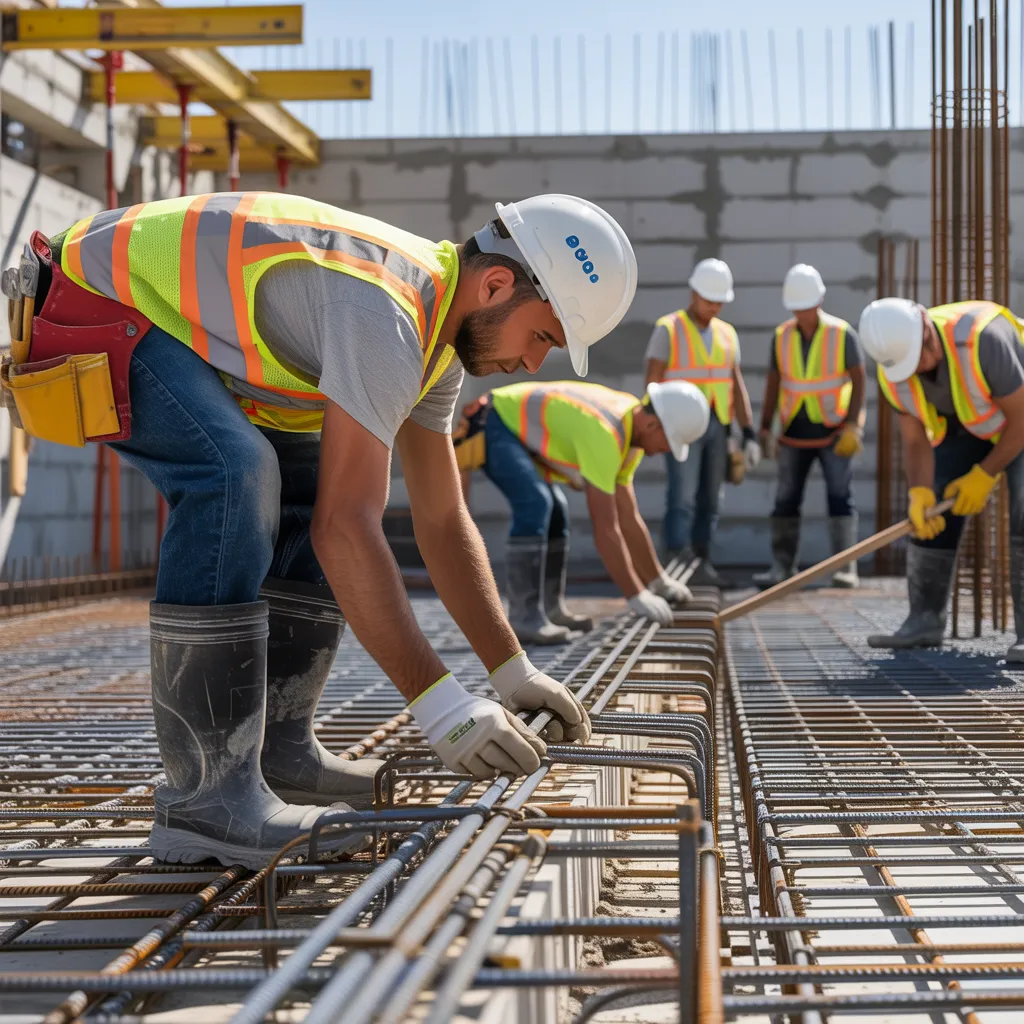
Understanding the Role of Foundation Contractors
Foundation specialists play a crucial part in the construction sector, as they are responsible for establishing the foundation that supports a structure's integrity. Their expertise encompasses a range of tasks, including grading, excavation, and placing footings and slabs. These professionals assess soil conditions to select the most appropriate foundation type, ensuring longevity and stability. They also follow regional construction codes and standards, which is fundamental for safety and compliance.
Collaboration with design and engineering professionals is critical, as foundation contractors must align their work with comprehensive building designs. Furthermore, they employ specialized equipment and techniques to handle different site conditions, such as water drainage and soil compaction. In the end, foundation contractors establish the essential groundwork that strengthens the structure while improving its long-term resilience, making their role invaluable in the complete achievement of every building endeavor.
Common Foundation Issues and Their Solutions
Foundation problems can significantly affect a house's stability and security. Common problems include cracks in foundation walls, water infiltration, and irregular flooring. Handling these problems in a timely manner is essential to prevent further damage and maintain the structural soundness of your home.
Foundation Walls With Cracks
Cracks in foundation walls frequently indicate underlying issues that require attention. Such cracks differ in size and seriousness, indicating problems such as settling, soil movement, or inadequate drainage. Vertical fissures are usually less alarming, frequently caused by shrinkage during the curing process, while horizontal cracks can indicate more serious structural issues. Homeowners should monitor the progression of these cracks; if they grow larger or spread, a professional inspection is critical. Remedies can include foundation restoration methods, such as underpinning or wall bracing, depending on the severity of the damage. Timely intervention by a qualified foundation contractor may stop further deterioration, safeguarding the structural soundness and security of the property. Resolving cracks without delay aids in preserving home value and structural soundness.
Water Penetration Concerns
Water intrusion poses significant challenges for homeowners, frequently resulting in severe structural deterioration when ignored. This concern often originates from improper drainage, inadequate waterproofing, or foundation fractures. Once water penetrates the foundation, it may undermine the structural integrity, encouraging mold development and generating an unsafe living space. Effective fixes commonly encompass inspecting drainage systems, fitting sump pumps, and administering waterproof sealants to foundation surfaces. In extreme circumstances, digging may be essential to tackle the root causes. Engaging a skilled foundation specialist ensures that the underlying sources of water infiltration are thoroughly detected and resolved, safeguarding the property's worth and security. Timely intervention can prevent costly repairs and enhance overall property resilience.
Uneven Floor Problems
A great number of homeowners notice irregular flooring, a frequent sign suggesting potential foundation problems. This condition commonly results from soil movement, settling, or water infiltration affecting the structural integrity beneath the home. When the foundation moves, it can create slopes or dips in the flooring, resulting in worries about both safety and appearance.
To tackle uneven flooring, working with a foundation contractor is highly recommended. They are able to perform a comprehensive inspection to identify the underlying causes and suggest suitable remedies. Common remedies include underpinning, which strengthens the foundation, and drainage improvements to manage water flow. Through tackling the foundational concerns directly, homeowners can regain structural stability and minimize the risk of further damage, ultimately ensuring the safety and longevity of their property.
Reasons You Should Hire a Foundation Contractor
When property owners observe unexpected changes in their home, it could signal the need for a professional foundation contractor. Frequent warning signs include visible cracks appearing in walls or ceilings, particularly those that are wider than a quarter-inch. Doors and windows that stick or fail to close properly can also signal underlying issues. Moreover, when floors look uneven or spaces emerge between walls and floors, these may serve as indicators of foundation problems. Homeowners ought to monitor water collecting around the foundation or wetness in the basement, as these factors can aggravate structural concerns. Evidence of soil movement, including pronounced settling or heaving, should never be disregarded. Recognizing these indicators early can prevent further damage and costly repairs. Consulting a foundation contractor at the earliest signs of concern can protect the home's structural stability and ensure a safe living space.
Why Expert Foundation Inspections Are Essential
Even subtle signs of foundation concerns can lead to significant problems if ignored, making expert foundation evaluations critical. These examinations deliver a detailed review of a property's structural integrity, allowing homeowners to identify potential weaknesses early. Skilled experts employ sophisticated equipment and methods to assess the foundation's state, ensuring that any concealed problems are identified before they escalate into costly repairs.
Regular inspections not only help maintain the value of a home but also enhance safety for its occupants. Foundation concerns can appear in multiple ways, including cracks in walls or uneven floors, and experienced inspectors can reliably detect these symptoms. Additionally, engaging a qualified inspector fosters peace of mind, as their expertise guarantees that the foundation's health is accurately assessed. To conclude, professional foundation inspections are a proactive step toward safeguarding a property's structural stability and longevity.
How to Select the Best Foundation Contractor
Choosing the ideal foundation contractor is vital for guaranteeing a productive project. Critical elements include checking qualifications and expertise, reviewing the caliber of their portfolio of completed projects, and comparing estimates and offerings. These considerations offer a strong foundation for arriving at a knowledgeable conclusion.
Verify Credentials And Experience
How can homeowners ensure they are choosing a qualified foundation contractor? The initial step requires confirming the contractor's credentials, such as licenses and certifications pertaining to foundation work. Since every state maintains distinct licensing requirements, ensuring adherence to local regulations is critical. Furthermore, experience is a key factor; contractors who have demonstrated success in foundation projects are far more likely to produce quality outcomes. Requesting references from past clients offers valuable perspective on the contractor's dependability and quality of work. Additionally, affiliations with industry groups or memberships in professional associations may signal a dedication to industry best practices. By taking these steps, homeowners can guarantee they are choosing a foundation contractor who possesses the necessary qualifications and experience to handle their specific project needs effectively.
Assess Project Portfolio Quality
Assessing a foundation contractor's project portfolio is essential for arriving at a knowledgeable conclusion. By analyzing completed projects, clients can gauge the contractor's knowledge and standard of workmanship. A diverse portfolio featuring various types of foundation work—such as residential, commercial, and specialized repairs—demonstrates adaptability and expertise. Photographs, project descriptions, and client testimonials offer a glimpse of the contractor's reliability and craftsmanship. It is also advantageous to ask about specific challenges met and how they were resolved, as this illustrates the ability to handle difficulties. A carefully assembled portfolio not only highlights technical skills but also reflects the contractor's dedication to client fulfillment. Ultimately, a detailed assessment of a contractor's past projects allows prospective clients to measure the probability of positive results for their own foundation needs.
Review Quotes And Services
When reviewing prospective foundation contractors, what standards should clients consider in comparing quotes and services? First, clients should assess the overall cost, confirming it is consistent with their budget while factoring in the scope of work. Subsequently, they should evaluate the specifics of each quote, such as materials, labor, and timelines. It's important to analyze the qualifications of the contractor, such as licenses and insurance, which can impact service quality. Comparing warranties offered is also significant, as a solid warranty reflects confidence in workmanship. Furthermore, client feedback and testimonials shed light on reliability and satisfaction. At the conclusion of this process, a comprehensive review of these considerations will enable clients to reach an informed decision, ensuring a solid foundation for their construction project.
Why Bypassing Professional Assistance Can Cost You More in the Long Run
Neglecting to hire a professional foundation contractor can lead to significant financial repercussions. Many homeowners tend to underestimate how complex foundation problems can be, believing they are capable of managing repairs on their own. Such an oversight can lead to insufficient repairs, which are likely to become more problematic with time, resulting in increasingly serious structural deterioration. Repairing a compromised foundation without expertise could also generate new issues, like moisture infiltration or unwanted pest activity, ultimately driving up overall expenses.
In addition, amateur repairs often come without warranties, exposing homeowners to repeated problems. The short-term savings from unprofessional repairs can swiftly dissipate as costs grow from extra damage and necessary corrections. On top of that, incorrectly performed work can negatively impact property value, making eventual sales more difficult. By comparison, professional contractors bring knowledge, experience, and warranties, ensuring a solid foundation and safeguarding investments. In the end, the expense of forgoing professional assistance can greatly surpass the cost of engaging a qualified specialist.
How Regular Maintenance Prevents Major Repairs
Routine upkeep of a residential foundation can substantially reduce the risk of high-cost repairs. By regularly inspecting the foundation, homeowners can detect early-stage issues before they become major problems. This proactive approach helps dive in detect cracks, water accumulation, or soil erosion early on, allowing for timely corrective measures.
Moreover, effective drainage systems and routine gutter upkeep are vital to preserving foundation integrity. Making certain that water moves away from the foundation reduces the likelihood of moisture-related damage, that can cause substantial structural complications. Regular maintenance also involves checking for signs of pest infestations, which can compromise the foundation's stability.
Hiring a professional foundation contractor for periodic assessments not only guarantees professional oversight but also supplies specialized recommendations designed for the individual requirements of the structure. In the end, investing in consistent upkeep protects the home, consequently shielding homeowners from the financial strain of costly repairs.
Common Questions and Answers
What Qualifications Should I Consider When Choosing a Foundation Contractor?
When choosing a foundation professional, it is important to prioritize applicable experience, appropriate licensing, insurance coverage, strong references, and knowledge of local building codes. A qualified contractor will likewise present thorough estimates and display excellent communication skills.
How Long Does an Average Foundation Repair Project Last?
A standard foundation repair undertaking may span a couple of days to multiple weeks, depending on the extent of damage and the methods employed. Elements like weather patterns and site circumstances may further affect the project duration.
Is Foundation Repair Covered by My Homeowner's Insurance?
Homeowner's insurance may cover foundation repairs, but coverage is determined by the policy and the cause of damage. It's essential for homeowners to review their insurance policy and consult with their provider for specific details regarding coverage.
What Payment Options Are Available for Foundation Work?
Payment methods for foundation work generally consist of cash, credit cards, and financing plans. Certain contractors can provide structured payment plans or arrangements with financial institutions, allowing homeowners to manage costs effectively over time.
Can Weather Affect the Timeline for Foundation Repairs?
Weather conditions significantly affect foundation repair timelines. Severe temperatures, excessive rainfall, or snow can postpone work, create moisture management challenges, and interfere with material curing, ultimately extending the time needed to complete essential repairs or installations.